
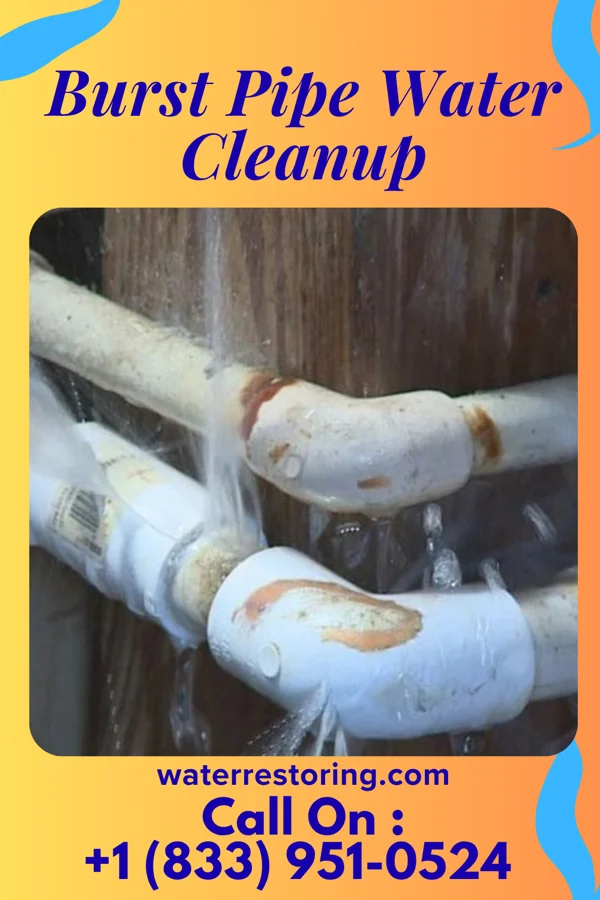
Princeton Pipe Burst Risk Drivers
Water damage in Princeton tends to cluster in predictable windows because of the local climate. Princeton, Texas, experiences a mix of suburban and residential development, making pipe bursts a common issue in older homes and commercial properties. The area's growing population and infrastructure expansion increase the likelihood of plumbing failures, especially in areas like New Hope and Fairview where water pressure can fluctuate. A close second is Due to its location near Lowry Crossing and the surrounding suburban sprawl, Princeton's underground utility lines are vulnerable to damage from construction activities and shifting soil. This increases the secondary risk of pipe bursts in areas with recent development or where underground piping is not regularly inspected..
Princeton, Texas, has a humid subtropical climate, which contributes to both summer humidity and winter temperature fluctuations. These conditions increase the risk of pipe bursts and water damage, particularly in older homes and buildings with outdated plumbing systems.
Princeton, Texas, has a humid subtropical climate, which contributes to both summer humidity and winter temperature fluctuations. These conditions increase the risk of pipe bursts and water damage, particularly in older homes and buildings with outdated plumbing systems. The dominant local driver is Princeton, Texas, experiences a mix of suburban and residential development, making pipe bursts a common issue in older homes and commercial properties. The area's growing population and infrastructure expansion increase the likelihood of plumbing failures, especially in areas like New Hope and Fairview where water pressure can fluctuate., with Due to its location near Lowry Crossing and the surrounding suburban sprawl, Princeton's underground utility lines are vulnerable to damage from construction activities and shifting soil. This increases the secondary risk of pipe bursts in areas with recent development or where underground piping is not regularly inspected. showing up as the next most common cause. Damage builds in stages. Spread. Absorption. Microbial growth. Structural compromise. Every stage you pass through adds to the final bill.